
▸ BLOG
Keeping DC207 afloat
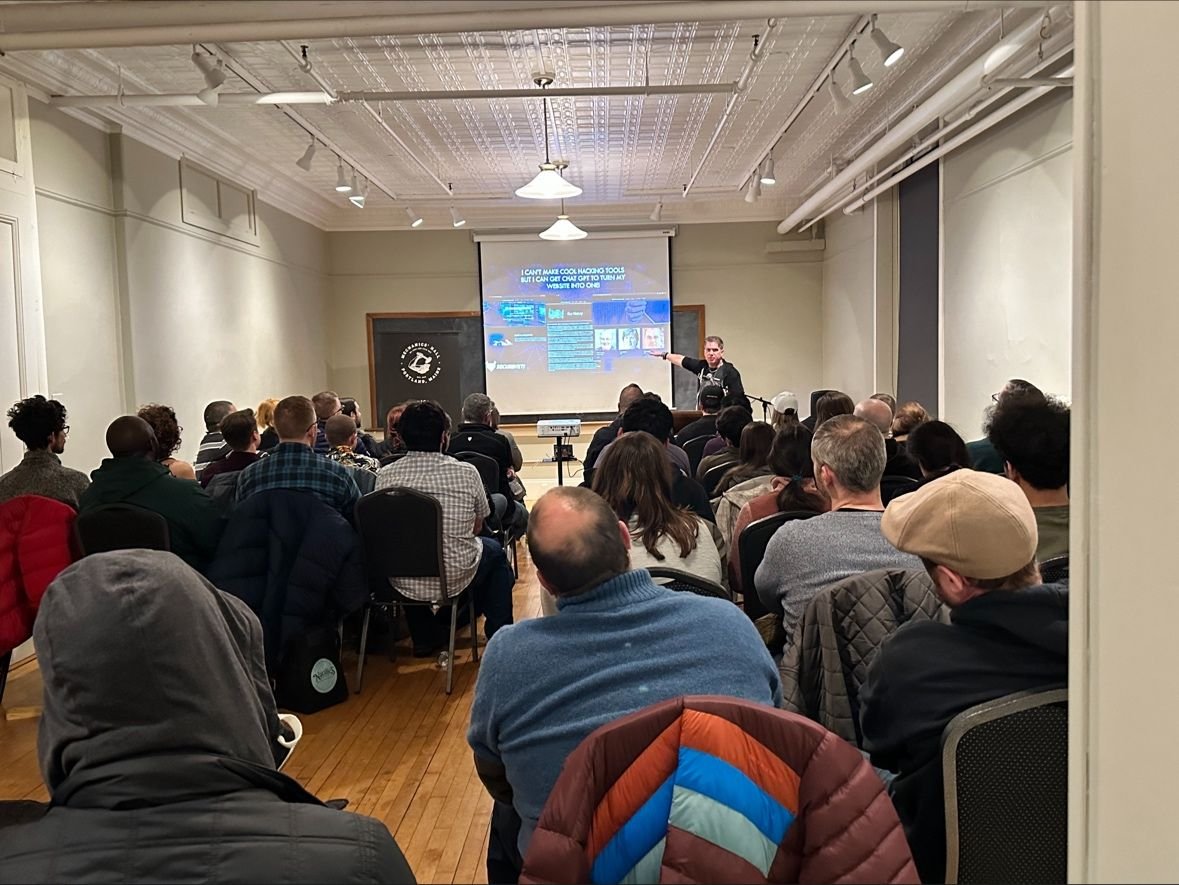
People sometimes assume that being connected to DEF CON means a local DEF CON Group gets funding, infrastructure, or some kind of ready-made event operation. That's not really how it works. DEF CON Groups have historically been affiliated with DEF CON, but they're mostly autonomous. Each group decides what it wants to do, finds its own people, and figures out how to make its events happen. That independence is great, but it also means the work and expenses stay local.
The talks
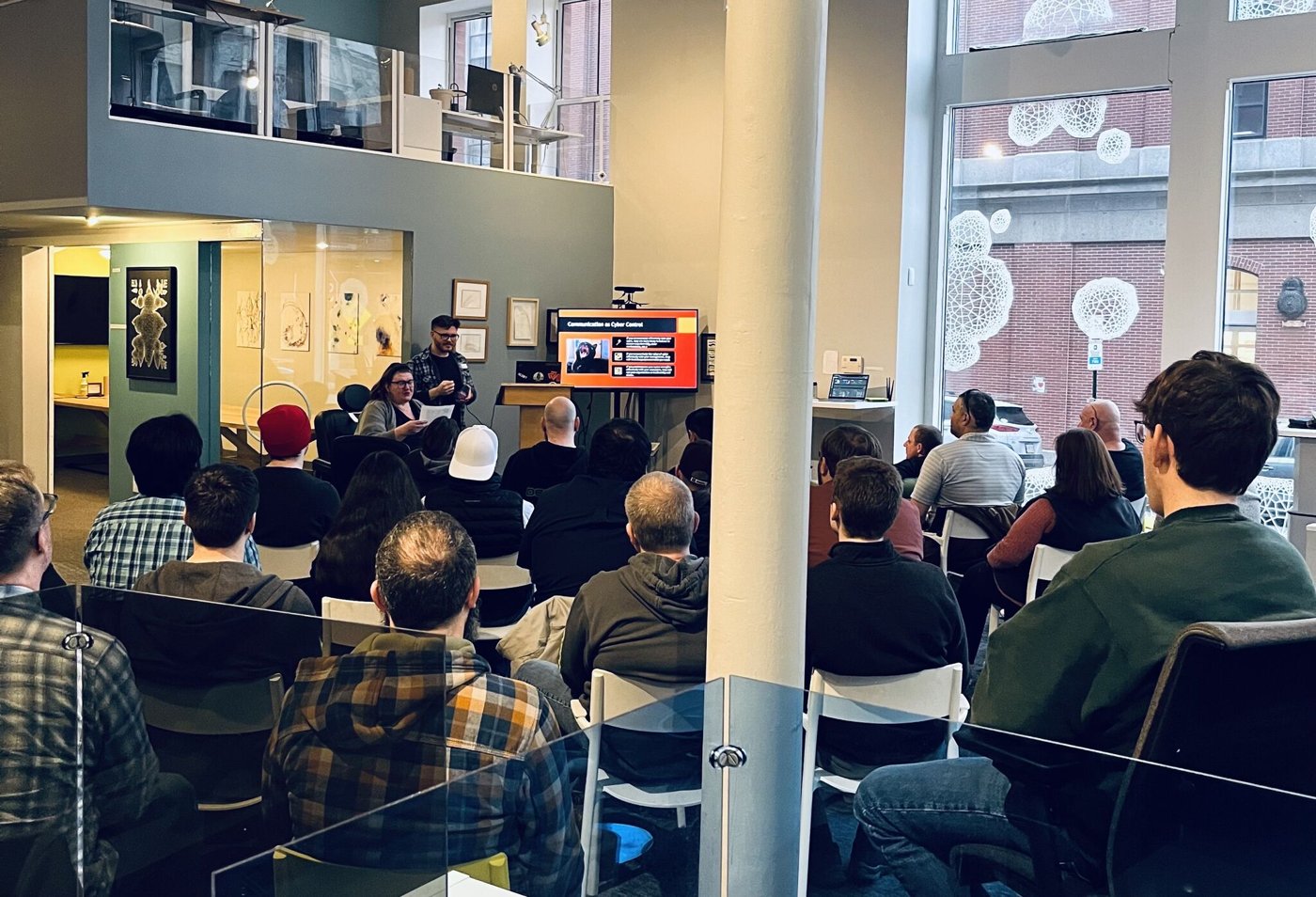
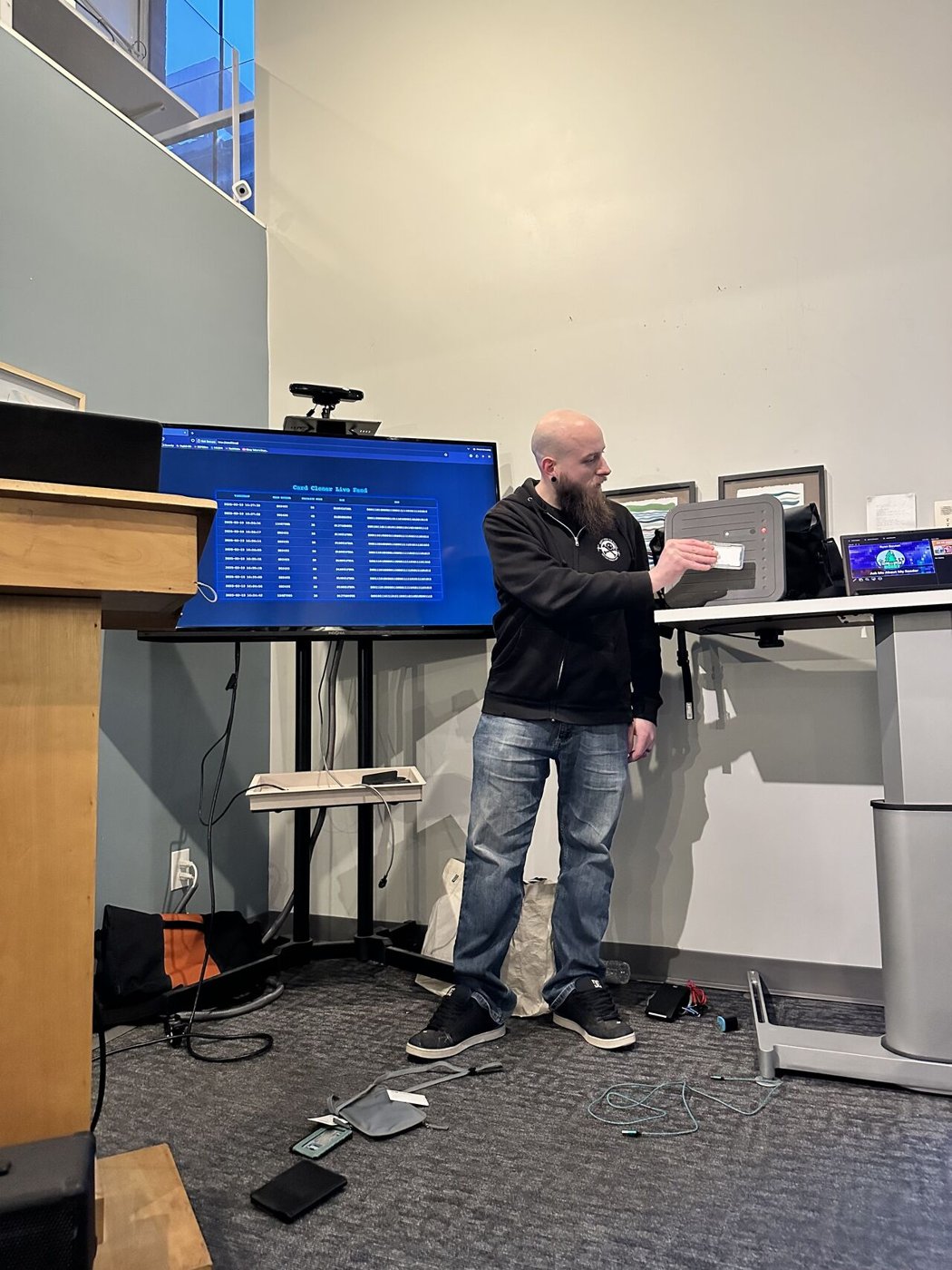
At DC207, a lot of that work goes into the content. We want talks that are actually interesting and useful, not just something to fill a spot on the schedule. Finding speakers takes time, and even after someone commits, life can get in the way. People get sick, work comes up, travel plans fall apart, and emergencies happen. We need backup speakers and alternate plans so the whole event doesn't fall apart when someone has to cancel.
The venue
Then there's everything involved with the venue. We have to find a space that works, make sure it's available, and deal with all the smaller details that nobody thinks about until something goes wrong. When people attend an event, they see the room, the speakers, and the finished schedule. They usually don't see the emails, negotiations, last-minute changes, and contingency plans that got us there.
What it actually costs
A typical event in Portland can cost somewhere between $750 and $1,000. Across the year, DC207's events run us roughly $7,500 to $10,000. That might not sound like a huge event budget compared to a major conference, but it's a lot for a community group to come up with year after year.
Everything became more expensive after COVID. Venue prices went up, food and supplies cost more, and all the smaller expenses started adding up faster. At the same time, corporate funding for community events didn't really return at the same level. There used to be more companies willing to throw some budget toward local events, but that support is harder to find now.
Why we don't take sponsors
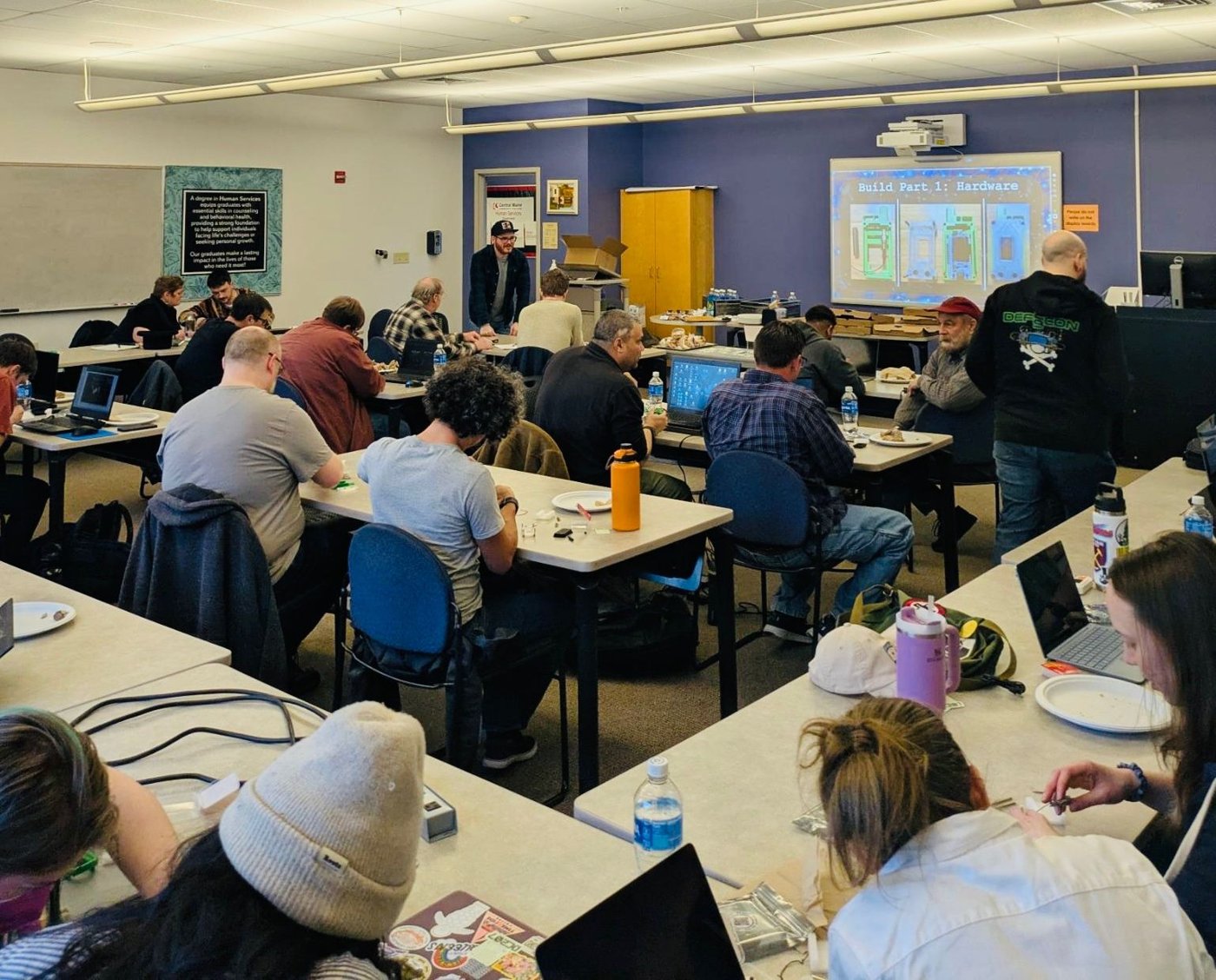
For some groups, sponsorship is the obvious answer. DC207 is intentionally not a corporate-sponsored event, though. We don't sell speaking slots to companies, and we don't feature businesses or their products because they wrote us a check. Other events use that model, and it can make the finances much easier, but it isn't what we want for DC207. We want talks to be on the schedule because the content is worth sharing, not because somebody paid for access to the audience.
Of course, choosing not to rely on corporate sponsorship doesn't make the bills disappear. We still have to pay for the venue and everything else that goes into putting on an event. It just means we have to find other ways to do it while keeping the events accessible and staying true to what we want DC207 to be.
Where the money comes from
That's one of the reasons I started pwnagotchi.com. It began as a small business that could help me cover some of the cost of running these events. It has been surprisingly successful, which has allowed me to branch out with the business and contribute a lot more funding to DC207 than I could before.
I feel very fortunate that it has worked out that way. Something I started has grown into a reliable way to put money back into the community. It helps us rent venues, organize more events, and remain independent without having to turn the schedule into a series of company pitches or paid product demos.
Why it's worth it
I'm not writing this to complain about the cost or the work. I just think people don't always realize what it takes to keep a DEF CON Group active. The affiliation connects us to a larger community, but the local organizers are still the ones finding speakers, making backup plans, booking venues, paying bills, and making sure everything comes together.
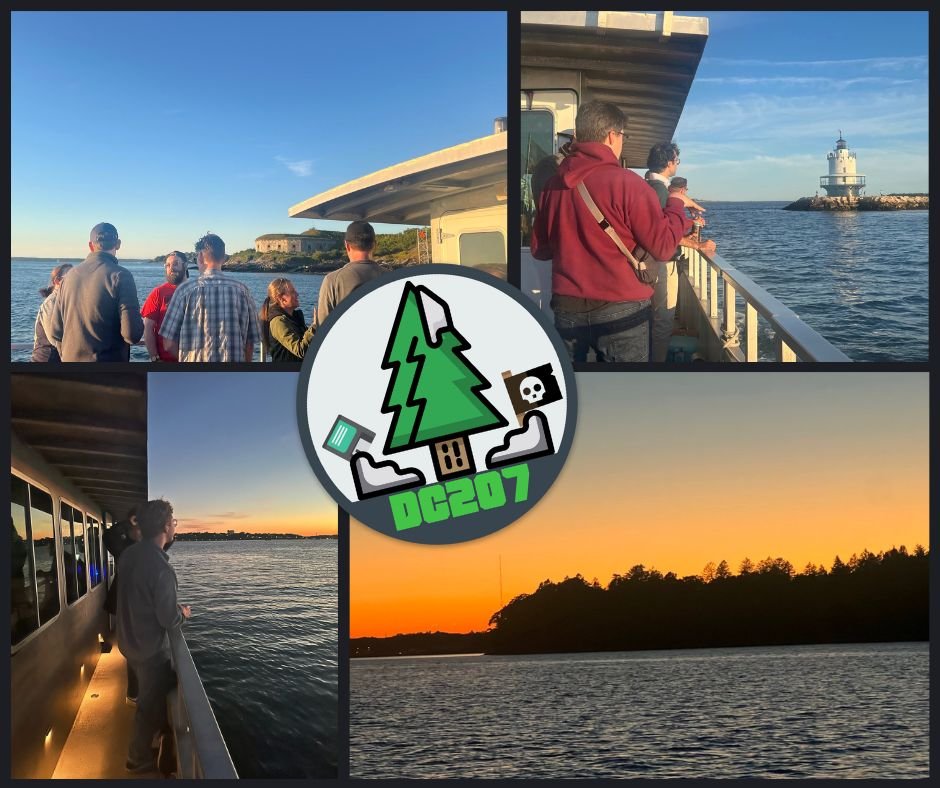
DC207's independence is one of the things I value most about it. I'm happy that we've found a way to support the group without changing what it is or who it's for. It takes a lot of work, and it isn't cheap, but I think the community we've built makes it worth doing.
-Marbaṩ